Repointing Guide
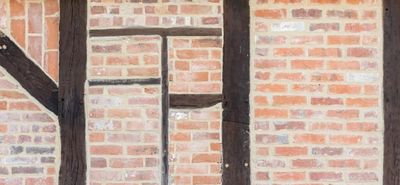
Expert advice on when to repoint brickwork, choosing the right mortar, and protecting your property.
Brick repointing is one of the most important maintenance tasks for any brick-built home. Over time, the mortar between bricks deteriorates, allowing water to penetrate and cause serious damage. Whether you own a period property, a Victorian terrace, or a modern brick home, proper brick repointing can dramatically improve both the appearance and structural integrity of your walls.
What is Repointing?
Brick repointing (also known as tuck pointing or re-pointing) involves carefully removing the old, damaged mortar from the joints between bricks and replacing it with new mortar. This process restores the weatherproofing of your walls and enhances the overall look of your brickwork.
Signs Your Brickwork Needs Repointing
Look out for these common warning signs:
• Crumbling or falling mortar
• Visible gaps in the joints
• Damp patches or mould on internal walls
• Efflorescence (white salty deposits) on the brick surface
• Spalling bricks (bricks flaking or cracking)
• Loose or dislodged bricks
If you notice any of these issues, it’s best to act quickly. Left untreated, poor mortar joints can lead to costly structural repairs.
Benefits of Professional Brick Repointing
• Prevents water ingress and damp problems
• Improves thermal efficiency
• Restores and enhances curb appeal
• Increases property value
• Extends the life of your brickwork significantly
• Essential for heritage and listed buildings when using appropriate materials
Traditional Lime Mortar vs Modern Cement Mortar
For older properties (pre-1930s), lime mortar is usually the correct choice. Lime mortar is breathable, flexible, and allows moisture to escape naturally. Using cement mortar on old brickwork can trap moisture and cause long-term damage.
We specialise in matching historic lime mortars for period homes, Cotswold stone properties, and listed buildings.
Pointing styles
The style of pointing you choose significantly affects both the appearance and performance of your brickwork. Here are the most common pointing styles:
• Flush Pointing
The mortar is finished level with the face of the bricks. A clean, simple look that works well on both modern and traditional properties.
• Recessed Pointing
Mortar is set back from the brick face (usually 2–5mm). This creates shadow lines that highlight the bricks and gives a strong, textured appearance. Popular on period properties.
• Weather Struck Pointing
The mortar is angled so the top edge is recessed while the bottom edge is flush. Excellent for shedding water and very common on older UK buildings.
• Tuck Pointing
A high-end decorative finish where the main mortar is coloured to match the bricks, and a thin line of contrasting mortar is “tucked” into a groove. Traditionally used on prestigious historic buildings for a very neat appearance.
• Bucket Handle (or Curved) Pointing
The mortar is finished with a curved jointing tool. A popular, durable, and cost-effective option for many domestic properties.
How Much Does Brick Repointing Cost?
Costs typically range from £60 – £120 per square metre, depending on:
• Accessibility of the wall
• Type of mortar required (lime vs cement)
• Type of pointing finish
We provide free, no-obligation quotes and transparent pricing with no hidden costs.